


Does Laser Hair Removal Cause Cancer or Infertility? (Myths Debunked)

Laser hair removal has become one of the most reliable methods for achieving long-term smooth skin without the constant hassle of waxing, shaving, or threading. Despite its widespread popularity and decades of clinical use, persistent rumors on social media continue to make many people hesitate before booking an appointment. Among the biggest fears circulating online is the question: does laser hair removal cause cancer or infertility?
When considering any cosmetic or dermatological procedure, questioning its long-term safety is completely natural. However, separating medical facts from internet myths is essential before making decisions about your body. Backed by dermatological science and clinical safety standards, this guide breaks down how laser technology actually works, addresses concerns regarding cancer and reproductive health, and outlines what to expect when seeking safe treatment.
How Laser Hair Removal Actually Works
To understand why laser treatments do not harm internal organs or alter cellular DNA, it helps to look at the mechanics behind the procedure. Laser hair removal operates on a principle called selective photothermolysis.
During a session, a specialized device emits a concentrated beam of light at a specific wavelength. This light energy passes harmlessly through the upper layer of the skin and is absorbed exclusively by melanin—the dark pigment concentrated inside the hair shaft and hair follicle. Once absorbed, the light converts into controlled thermal energy (heat), which damages the follicle’s ability to regrow hair while leaving the surrounding skin tissue intact.
Crucially, the laser energy only penetrates a few millimeters beneath the skin’s surface—just deep enough to reach the base of the hair root in the dermis. It does not travel deep into the body, enter the bloodstream, or interact with internal organs.
Myth 1: Does Laser Hair Removal Cause Cancer?
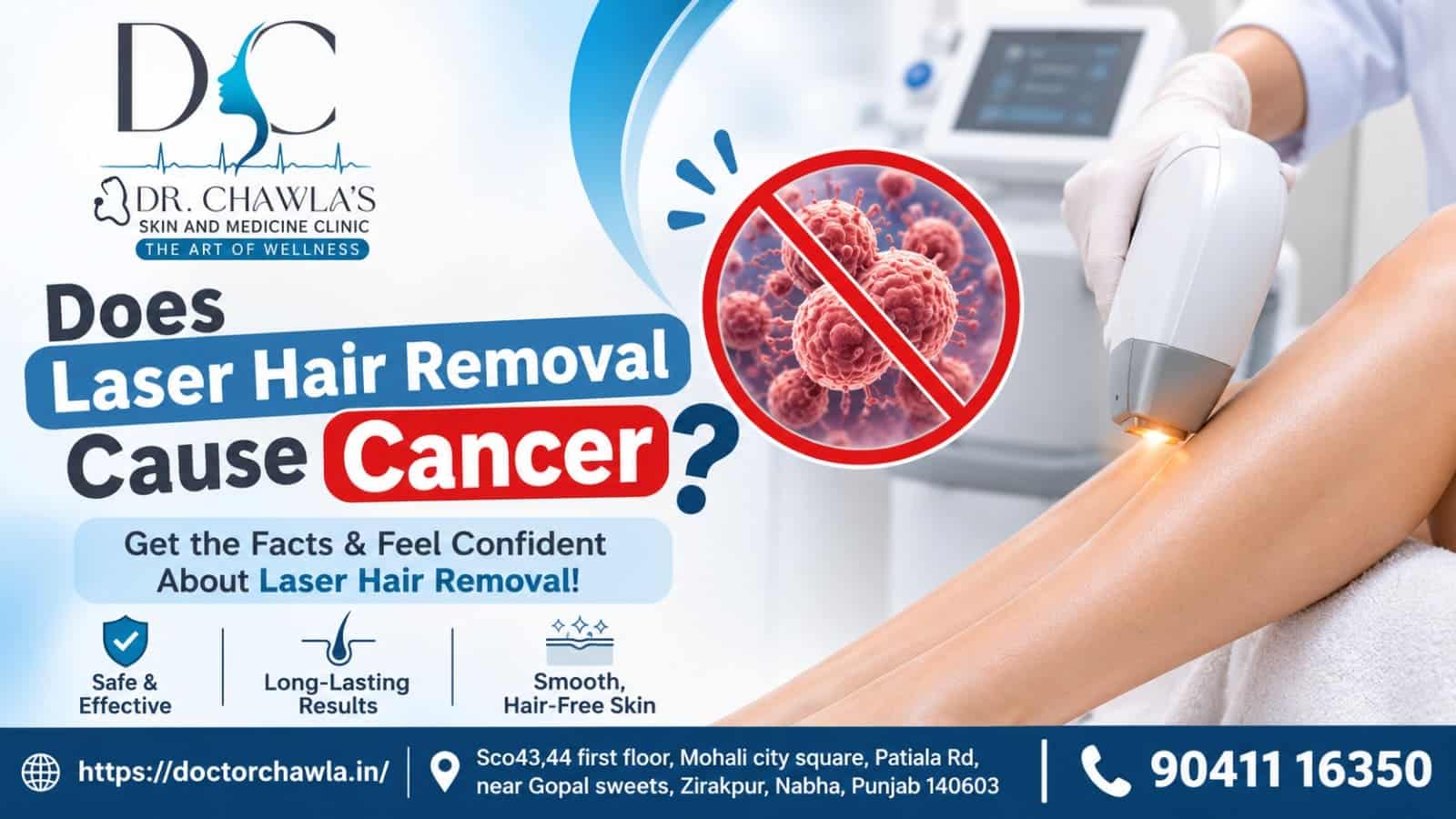
One of the most alarming misconceptions is the belief that laser hair removal causes cancer. This fear typically stems from confusing medical aesthetic lasers with harmful forms of radiation.
Non-Ionizing vs. Ionizing Radiation
To understand cancer risk, science divides energy wavelengths into two distinct categories:
-
Ionizing Radiation: High-energy waves—such as X-rays, gamma rays, and ultraviolet (UV) rays from the sun or tanning beds—carry enough energy to knock electrons off atoms. This process damages cellular DNA and can lead to mutations that cause skin cancer.
-
Non-Ionizing Radiation: Aesthetic hair removal lasers use visible and near-infrared light wavelengths (typically between 755 nm and 1064 nm). This is non-ionizing radiation. It generates localized heat rather than breaking molecular bonds or altering DNA strands.
What Medical Research Shows
Major dermatological organizations, including the American Academy of Dermatology (AAD) and the U.S. Food and Drug Administration (FDA), recognize FDA-cleared laser hair removal devices as safe when operated by trained professionals. Decades of clinical studies and millions of procedures worldwide have shown zero evidence linking laser hair removal to melanoma or any other type of skin cancer.
In fact, dermatologists frequently use specialized medical lasers to treat precancerous skin lesions and sun damage. While temporary side effects like mild redness, slight swelling, or temporary pigment changes can occur if improper settings are used, carcinogenesis is not a risk.
Myth 2: Does Laser Hair Removal Cause Infertility?
Another common concern—especially among individuals considering bikini, Brazilian, or pelvic area treatments—is whether laser hair removal causes infertility. People often worry that directing heat and light near the groin or lower abdomen could damage the ovaries, uterus, or testes.
Penetration Depth and Anatomy
The anatomy of the human body makes reproductive damage from hair removal lasers physically impossible:
-
Shallow Reach: Cosmetic lasers penetrate only 1 to 4 millimeters into the skin, stopping right at the dermal layer where hair follicles sit.
-
Protected Organs: Reproductive organs such as the ovaries and uterus are located deep inside the pelvic cavity, protected by layers of subcutaneous fat, dense muscle tissue, fascia, and pelvic bone. Similarly, the testes are shielded by multiple layers of tissue and regulate temperature independently.
Because laser light is completely absorbed by melanin within the first few millimeters of skin, zero light energy or heat ever reaches the reproductive system. It has no impact on egg quality, ovulation, sperm count, hormone levels, or future fertility.
What About Pregnancy?
While laser hair removal does not affect fertility before conception, dermatologists generally advise postponing sessions during pregnancy. This precaution is not because the laser harms the fetus, but because pregnancy triggers significant hormonal fluctuations that cause unpredictable hair growth and heightened skin sensitivity, increasing the risk of temporary hyperpigmentation. Once pregnancy and breastfeeding conclude, treatments can safely resume.
Why Expertise and Equipment Matter
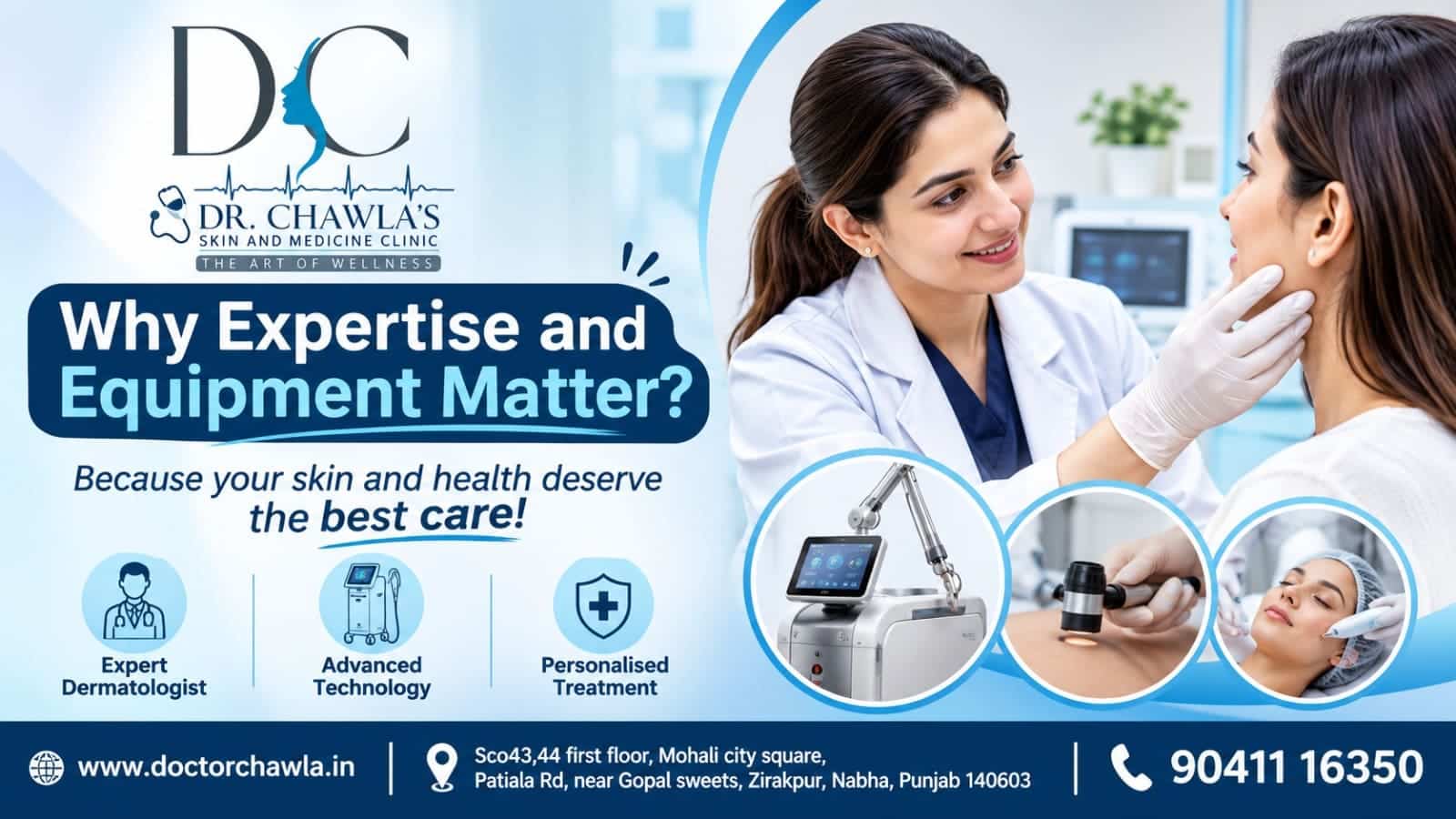
Although the technology itself does not cause cancer or infertility, safety always depends on who operates the machine and the quality of the equipment used. Improper use of high-powered lasers by untrained technicians can lead to avoidable skin injuries, such as superficial burns, blistering, or post-inflammatory hyperpigmentation—especially on darker Indian skin tones that contain higher epidermal melanin.
For residents in North India looking for safe, medically supervised aesthetic care, consulting qualified laser hair removal doctors in Zirakpur ensures that every session is tailored to your specific skin phototype and hair thickness. Experienced dermatologists evaluate your medical history, screen for photosensitizing medications, and select appropriate wavelengths—such as Nd:YAG or triple-wavelength diode lasers—that safely bypass surface melanin while effectively targeting deep follicles.
When exploring laser hair removal in Zirakpur, always verify that the clinic meets key safety benchmarks:
-
Dermatologist Supervision: Treatments should be planned or overseen by a certified skin specialist rather than unverified salon staff.
-
Medical-Grade Devices: Ensure the clinic uses authentic, FDA-approved or CE-certified laser platforms equipped with built-in sapphire or cryogen cooling tips to protect the epidermis.
-
Patch Testing: A reputable clinic will always perform a small test patch 24 to 48 hours prior to a full session to confirm optimal energy settings for your skin.
FAQs
1. Can laser hair removal cause breast cancer when treating the underarms?
No. Underarm laser hair removal targets hair follicles in the superficial skin layer. The laser beam does not penetrate deep enough to reach breast tissue or lymph nodes, and its non-ionizing light cannot trigger abnormal cell growth.
2. Is it safe to get Brazilian or bikini laser hair removal if I plan to have children in the future?
Yes, it is completely safe. The laser energy stops just a few millimeters below the skin surface and never reaches the ovaries, fallopian tubes, or uterus. It will not affect your ability to conceive or carry a healthy pregnancy.
3. What are the actual side effects of laser hair removal?
Normal, temporary side effects include mild redness, warmth, and slight swelling around the hair follicles (perifollicular edema) lasting a few hours to a day. Rare complications like burns or temporary dark spots typically only happen when incorrect settings are used on tanned skin or by inexperienced operators.
4. Should I avoid laser hair removal if I have moles or freckles?
Lasers are attracted to dark pigment, so a trained practitioner will either work carefully around dark moles or cover them with a white protective pencil during treatment. If you have atypical or changing moles, have a dermatologist examine them before starting any cosmetic procedure.
5. How many sessions are typically needed for lasting results?
Because lasers only disable hair follicles in their active growth phase (anagen), most people require 6 to 8 sessions spaced 4 to 6 weeks apart to achieve an 80% to 90% permanent reduction in hair growth.
Conclusion
The idea that laser hair removal causes cancer or infertility is a widespread myth with no foundation in medical science. Cosmetic hair removal lasers rely on safe, non-ionizing light that penetrates only a few millimeters beneath the skin to target hair pigment—never reaching internal organs, reproductive structures, or cellular DNA.
When performed using medical-grade technology under qualified supervision, laser hair removal remains one of the safest, most effective long-term grooming solutions available today. If you are considering treatment, schedule a consultation with a certified dermatologist who can assess your skin type, answer your questions, and design a safe, personalized treatment plan.


